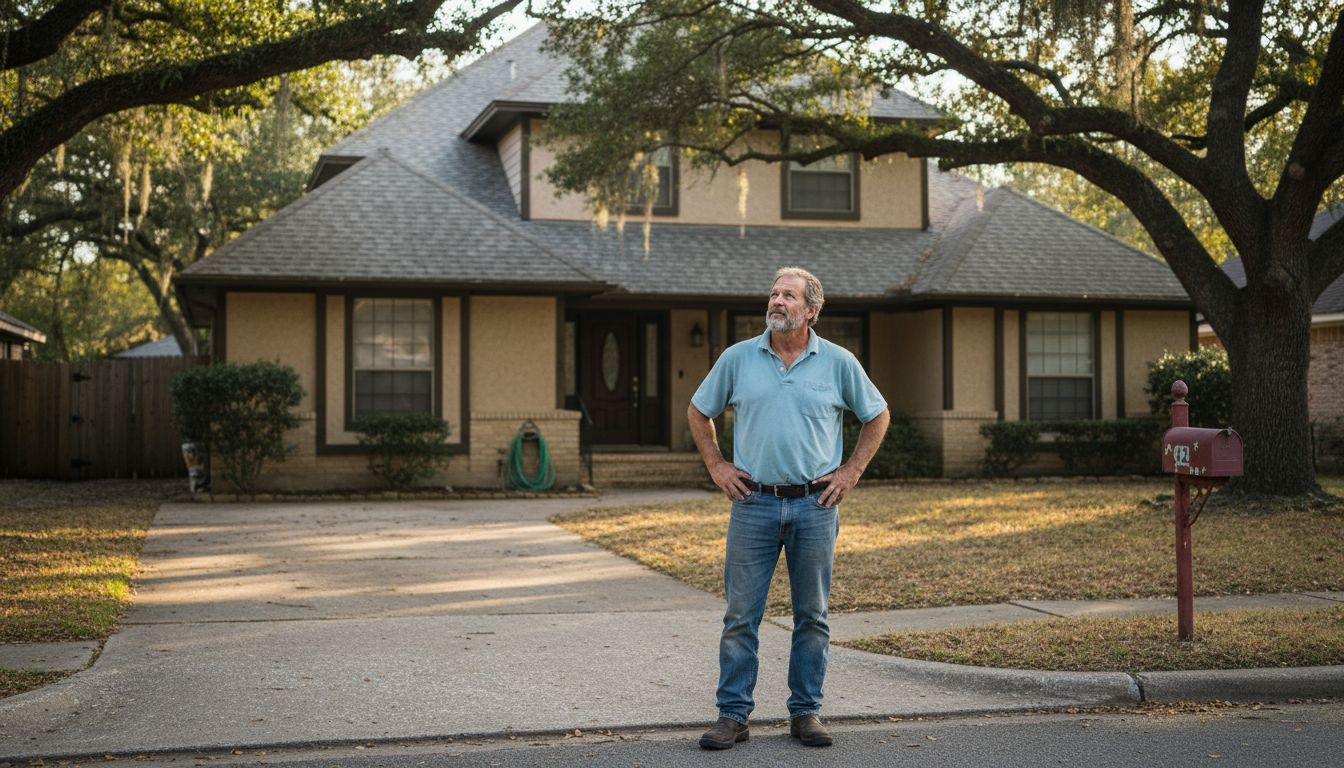
Sweltering summers often push air conditioning systems to their limits in Houston, making roof efficiency far more than just a luxury for homeowners. Choosing the right roofing materials and design directly affects your monthly utility bills and the comfort you feel indoors. With options like cool roofs that can reduce air-conditioning energy use by up to 15 percent, you gain real control over costs while better protecting your home against Texas weather.
Table of Contents
- How Energy Efficiency Impacts Houston Roofs
- Types of Energy-Efficient Roofing Materials
- How Roofing Systems Reduce Energy Use
- Financial Benefits and Incentives for Homeowners
- Common Pitfalls in Energy-Efficient Roofing
Key Takeaways
| Point | Details |
|---|---|
| Energy-Efficient Roofing Reduces Costs | Choosing energy-efficient roofing materials can significantly lower utility bills by reflecting sunlight and minimizing heat absorption. |
| Comprehensive Weatherization Is Essential | Combining roofing solutions with weatherization strategies enhances overall energy efficiency by sealing cracks and upgrading insulation. |
| Financial Incentives Are Available | Homeowners can benefit from federal tax credits and state rebates to offset the costs of energy-efficient roofing installations. |
| Regular Maintenance Prevents Pitfalls | Annual inspections and proper installation are vital to maintaining the effectiveness of energy-efficient roofing systems. |
How Energy Efficiency Impacts Houston Roofs
Houston’s extreme heat makes energy efficiency in roofing an absolutely critical consideration for homeowners seeking to reduce utility bills and maintain comfortable indoor temperatures. By understanding how roof design and materials directly impact energy consumption, residents can make strategic choices that translate into significant long-term savings.
Energy-efficient roofing works through several key mechanisms that help mitigate heat absorption and reduce cooling demands. Cool roof technologies can dramatically lower annual air conditioning usage by reflecting more sunlight and efficiently emitting thermal radiation. These advanced roofing solutions offer multiple benefits for Houston homeowners:
- Reduce interior building temperatures
- Lower annual electricity costs
- Minimize carbon emissions
- Enhance overall home comfort
- Extend roof lifespan by reducing thermal stress
The impact of energy-efficient roofing extends beyond immediate utility bill reductions. Weatherization strategies play a crucial role in creating comprehensive home energy protection. Weatherization programs help homeowners seal cracks, upgrade insulation, and improve air sealing – actions that collectively reduce energy consumption for both cooling and heating.
Thermal performance becomes especially critical in Houston’s hot climate, where roofs absorb substantial solar radiation. Dark, traditional roofing materials can reach temperatures up to 150-190 degrees Fahrenheit, dramatically increasing indoor heat and forcing air conditioning systems to work overtime. By contrast, energy-efficient roofing materials can keep surface temperatures 50-60 degrees cooler, providing substantial energy savings.
Here’s a summary of thermal performance differences between typical roofing types in Houston’s climate:
| Roofing Type | Typical Surface Temp | Impact on Cooling Needs |
|---|---|---|
| Dark Traditional Shingle | 150–190°F | Significantly increases |
| White Reflective Coating | 90–120°F | Substantially reduces |
| Cool Color Roof Tile | 100–130°F | Moderately reduces |
| Advanced Membrane System | 100–130°F | Significantly reduces |
| Metallic Roof System | 95–125°F | Substantially reduces |
Pro tip: Consider scheduling a professional energy audit to identify specific roof-related efficiency opportunities for your Houston home.
Types of Energy-Efficient Roofing Materials
Energy-efficient roofing materials have become increasingly sophisticated, offering Houston homeowners innovative solutions to combat extreme heat and reduce utility costs. Cool roof technologies represent a cutting-edge approach to managing indoor temperatures and improving overall home energy performance.
The most prominent energy-efficient roofing materials include:
- White Reflective Coatings: Designed to reflect maximum sunlight and minimize heat absorption
- Cool Color Roof Tiles: Special pigmented materials that reflect solar radiation while maintaining aesthetic appeal
- Metallic Roof Systems: Engineered with high reflectivity and thermal emittance properties
- Specialized Membrane Roofings: Advanced synthetic materials with superior insulative characteristics
Thermal performance is critical in Houston’s challenging climate, where traditional dark roofing materials can reach temperatures up to 190 degrees Fahrenheit. By contrast, advanced roofing materials can significantly reduce surface temperatures, creating substantial energy savings.
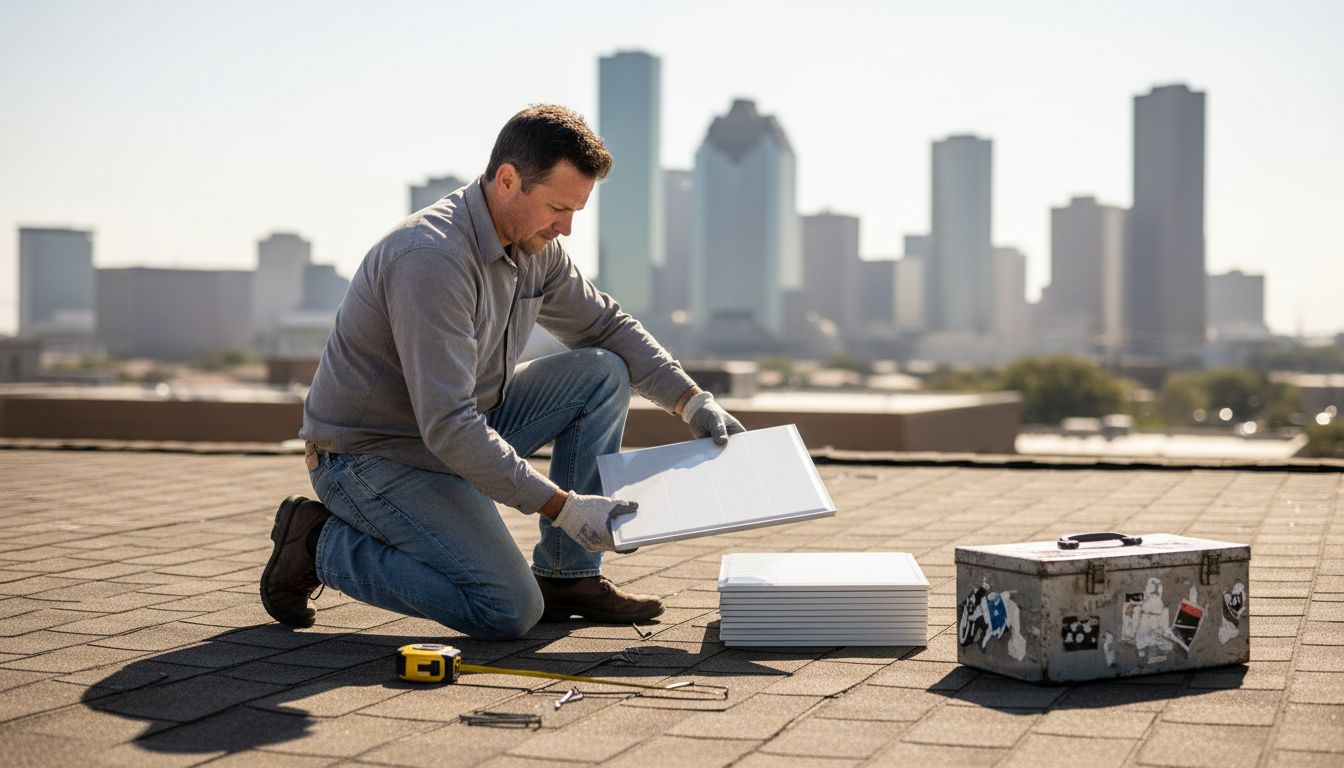
Modern roofing technologies go beyond simple reflection. Innovative materials now incorporate multiple layers of protection, including advanced insulation properties, vapor barriers, and specialized coatings that work together to create comprehensive thermal management. These systems not only reduce cooling costs but also extend roof longevity by minimizing thermal stress and material degradation.
Pro tip: Consult with a local roofing professional to determine the most suitable energy-efficient roofing material specifically tailored to your Houston home’s unique architectural characteristics.
How Roofing Systems Reduce Energy Use
In Houston’s scorching climate, roofing systems play a crucial role in managing home energy consumption. Cool roof technologies represent an innovative approach to dramatically reducing energy demand by minimizing heat absorption and maximizing thermal efficiency.
Roofing systems reduce energy use through several key mechanisms:
- Solar Reflectance: Redirecting sunlight and heat away from the building
- Thermal Emittance: Releasing absorbed heat more quickly
- Insulation: Creating barriers that prevent heat transfer
- Ventilation: Promoting air circulation to reduce interior temperatures
Comprehensive energy management extends beyond simple surface treatments. Weatherization strategies integrate multiple components to create a holistic approach to reducing energy consumption. These systems work together to prevent heat gain, minimize cooling requirements, and maintain consistent indoor temperatures.
The science behind energy-efficient roofing is complex but powerful. By incorporating advanced materials with specific thermal properties, roofing systems can reduce interior building temperatures by up to 30%, significantly lowering air conditioning demands. This approach not only saves homeowners money but also contributes to broader environmental conservation efforts by reducing overall energy consumption.
Pro tip: Consider a professional energy audit to identify specific opportunities for improving your home’s roofing system and maximizing energy efficiency.
Financial Benefits and Incentives for Homeowners
Houston homeowners looking to invest in energy-efficient roofing have access to a range of financial opportunities that can significantly offset installation costs. Weatherization Assistance Programs provide multiple avenues for reducing the financial burden of home energy improvements, making sustainable roofing more accessible than ever before.
Key financial incentives for energy-efficient roofing include:
- Federal Tax Credits: Reductions in tax liability for qualifying energy-efficient upgrades
- State Rebate Programs: Direct monetary incentives for implementing energy-saving improvements
- Low-Interest Loans: Financing options with favorable terms for energy efficiency projects
- Utility Company Incentives: Potential cashback or bill credits for energy-efficient installations
The financial benefits extend beyond immediate incentives. Home Energy Rebates can be strategically combined with tax credits, creating a powerful financial strategy for homeowners. These programs can dramatically reduce upfront costs, with potential savings ranging from 30% to 50% of the total installation expense.
The table below compares financial incentives available for energy-efficient roofing in Houston:
| Incentive Type | Who Offers It | Typical Savings Potential |
|---|---|---|
| Federal Tax Credits | Federal Government | 10–30% of upgrade costs |
| State Rebates | Texas State Programs | $200–$1,000 or more |
| Utility Company Credits | Local Energy Provider | $100–$500 per project |
| Low-Interest Loans | Banks/State Agencies | For entire project amount |
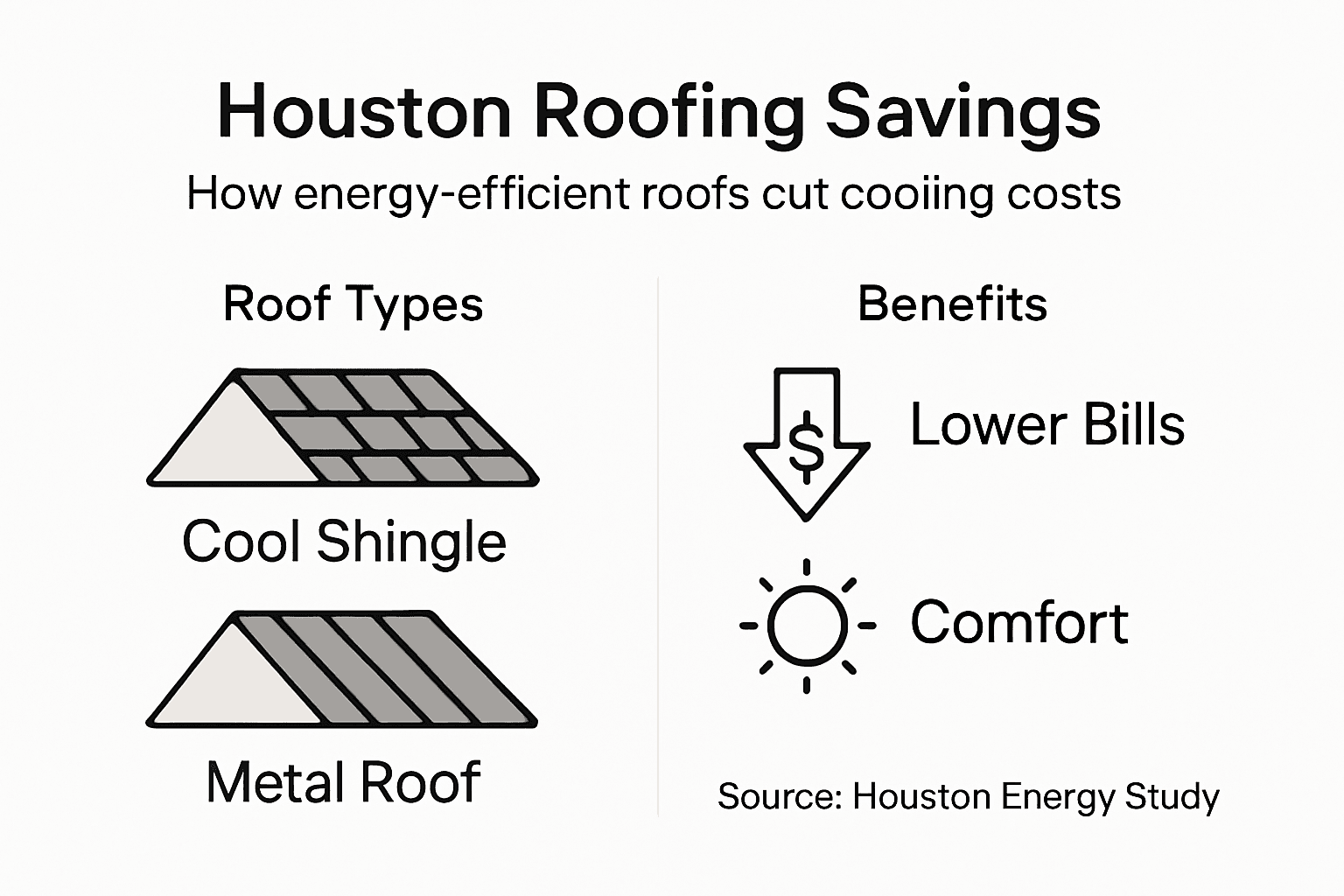
Long-term financial advantages are equally compelling. Energy-efficient roofing can reduce annual cooling costs by up to 20-30%, translating to hundreds of dollars in utility savings each year. Additionally, these improvements can increase home value, providing a solid return on investment for Houston homeowners seeking both immediate and future financial benefits.
Pro tip: Consult with a local tax professional and energy efficiency expert to maximize your available financial incentives and optimize your roofing investment.
Common Pitfalls in Energy-Efficient Roofing
Navigating the complexities of energy-efficient roofing requires careful consideration and strategic planning. Cool roof installation challenges can significantly undermine the potential energy savings if homeowners are not vigilant about material selection and implementation.
Common mistakes that Houston homeowners often encounter include:
- Improper Material Selection: Choosing roofing materials without proper reflectance ratings
- Inadequate Installation: Overlooking critical technical details during roof installation
- Neglecting System Integration: Failing to consider insulation and ventilation components
- Ignoring Maintenance Requirements: Assuming energy-efficient roofs are completely maintenance-free
Weatherization strategies play a critical role in preventing energy efficiency failures. Comprehensive weatherization approaches reveal that seemingly minor oversights can dramatically reduce a roofing system’s performance. These include unaddressed air leaks, insufficient insulation, and poor ventilation that can compromise the entire energy-saving potential.
The financial implications of these pitfalls can be substantial. Improperly installed or maintained energy-efficient roofing can lead to increased energy costs, reduced system longevity, and potential structural damage. Houston’s extreme climate amplifies these risks, making professional consultation and meticulous implementation crucial for homeowners seeking to optimize their roofing investments.
Pro tip: Schedule an annual professional inspection to identify and address potential energy efficiency issues before they become costly problems.
Upgrade Your Houston Roof for Maximum Energy Efficiency and Savings
Houston homeowners face the challenge of extreme heat driving up cooling costs and roofing wear. The article highlights how energy-efficient roofing materials and proper installation can drastically lower indoor temperatures and reduce utility bills. At Mister ReRoof, we understand these pain points and offer expert roof replacement solutions designed specifically for Houston’s harsh climate. Our services include metal, shingle, flat, and TPO roofing systems—all tailored to improve your roof’s thermal performance and durability.
Choosing the right roof with quality insulation and reflective coatings is critical to limit heat absorption and maximize savings. Our experienced team ensures proper installation and integration of energy-efficient features, helping you avoid common pitfalls like improper material selection or ventilation issues. We also provide free estimates and guide you through potential financial incentives that make upgrading your roof more affordable.
Take control of your energy bills and protect your home by partnering with a trusted local expert. Visit Mister ReRoof today for a comprehensive roofing consultation. Don’t wait for the next heat wave call now and secure a more comfortable, energy-efficient home with our proven roofing solutions.
Frequently Asked Questions
What are the benefits of energy-efficient roofing?
Energy-efficient roofing provides multiple advantages such as reduced interior building temperatures, lower electricity costs, minimized carbon emissions, enhanced overall home comfort, and an extended roof lifespan by reducing thermal stress.
How can I improve my roof’s energy efficiency?
To improve your roof’s energy efficiency, consider using cool roof technologies, upgrading to reflective materials, ensuring proper insulation, enhancing air sealing, and incorporating ventilation to manage heat effectively.
What types of roofing materials are considered energy-efficient?
Energy-efficient roofing materials include white reflective coatings, cool color roof tiles, metallic roof systems, and specialized membrane roofing, each designed to minimize heat absorption and maximize thermal performance.
How do roofing systems reduce energy consumption?
Roofing systems reduce energy consumption by utilizing solar reflectance to redirect sunlight, thermal emittance to release absorbed heat, insulation to prevent heat transfer, and ventilation to promote air circulation, collectively lowering cooling demands.
